Dreamy Watercolor Clip Art Backgrounds Review
First Impressions: Soft, Ethereal, and Versatile
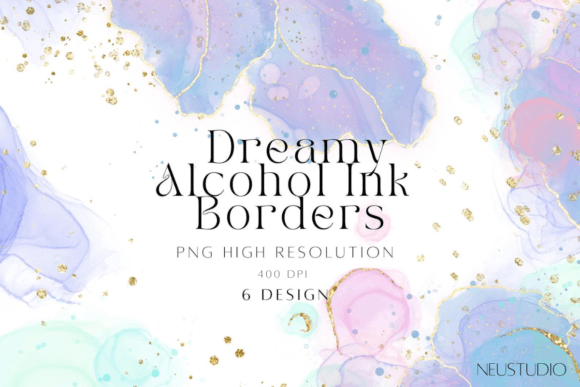
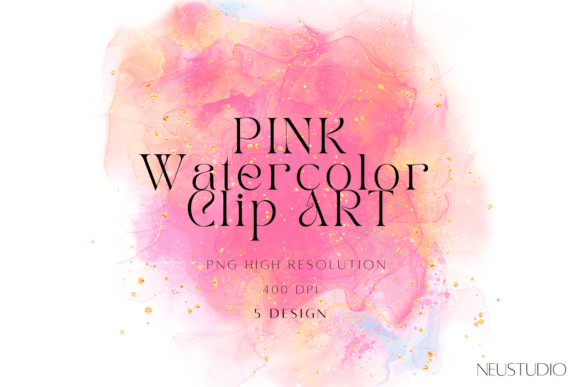
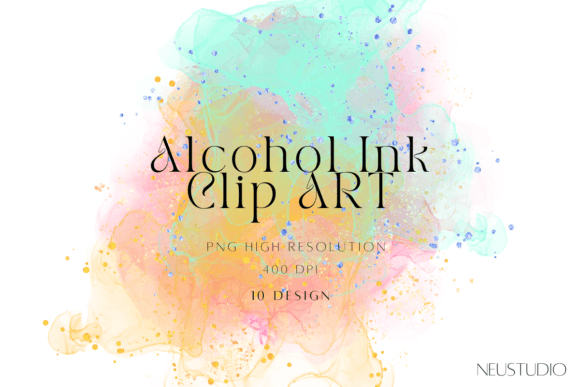
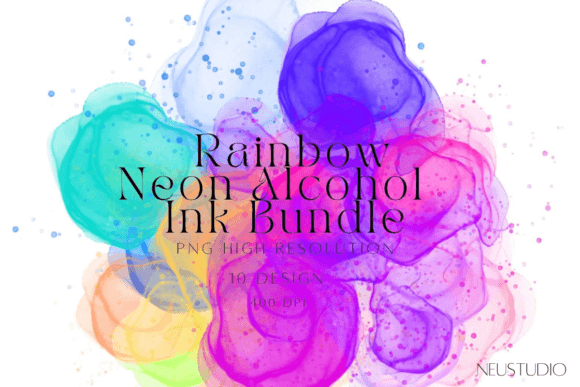
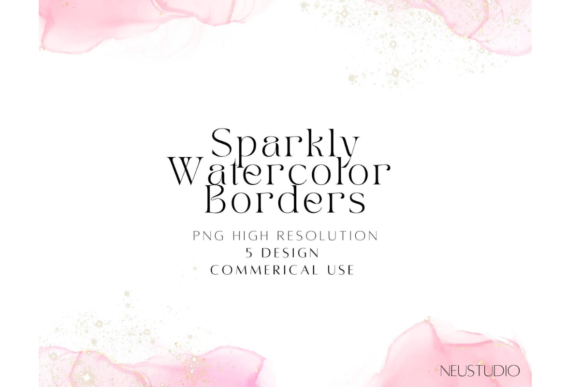
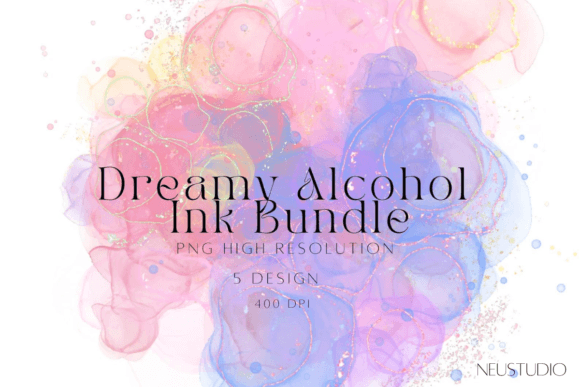
Opening the Dreamy Watercolor Clip Art Backgrounds set, I immediately noticed the soft washes of color and painterly textures. These aren't crisp, geometric patterns — they're fluid, organic, and perfect for projects that lean into a gentle, artistic aesthetic. The watercolor theme gives a handmade, almost whimsical charm that feels right at home in baby items, nursery decor, or personalized gifts for women and children.
As a designer, I appreciated the balance between detail and subtlety. The background motifs are decorative without being overwhelming, which makes them ideal for layering with other embroidery elements like monograms or applique designs. They're not just backgrounds — they're subtle storytelling tools.
Real-World Use: From Tote Bags to Baby Onesies
I tested the Dreamy Watercolor Clip Art Backgrounds on a few different embroidery projects. First, I stitched one onto a linen tote bag. The soft gradients held up surprisingly well in thread form, especially on a light natural fabric. The design gave the bag a boutique-style finish that would appeal to Etsy buyers or boutique owners looking for a touch of sophistication without overcomplicating the look.
Next, I used a smaller version on a baby onesie. The delicate nature of the design made it a great fit for such a soft, intimate garment. I made sure to use a lightweight stabilizer to avoid puckering, and the result was lovely — subtle, elegant, and not too busy for a tiny piece of clothing.
I also tried one on a sweatshirt, and while it worked well, I had to be mindful of the fabric's thickness. The texture of the sweater material slightly softened the details, which wasn't a dealbreaker but did affect the clarity of the more intricate watercolor strokes. Still, for a cozy, handcrafted feel, it was a solid choice.
Where to Use With Caution
While Dreamy Watercolor Clip Art Backgrounds offer a lot of visual appeal, they do require some thoughtful handling. I wouldn't recommend them for small hoop sizes unless you're using a simplified version. The delicate brushstrokes can get lost in tight spaces, and thread blending may obscure the intended effect.
Dark fabrics are another consideration. I tested one of the lighter watercolor motifs on black fabric, and while the contrast was dramatic, some of the finer details disappeared. If you're going for a bold look, that might work — but if you're aiming for subtlety, it's better to stick with lighter backgrounds.
Stretchy or textured fabrics also pose a challenge. The watercolor style relies on soft gradients and fine lines, which can warp or blur on unstable materials. If you're working with a curved surface like a cap or a stretchy T-shirt, test the design first and consider adjusting stitch density or adding extra stabilizer support.
Impact on Product Appeal and Customer Perception
From a business standpoint, Dreamy Watercolor Clip Art Backgrounds elevate the handmade look. They add a layer of sophistication that can help small shop owners or Etsy sellers stand out in a crowded market. Customers often associate watercolor aesthetics with creativity and care — two qualities that can justify a higher price point or encourage gift purchases.
In terms of brand consistency, these backgrounds are versatile enough to fit into a variety of niches — from baby boutique branding to wedding favor embroidery. They’re not overly thematic, so they can be reused across different product lines without feeling repetitive.
I also noticed that when used in digital product previews — like printable mockups or digital embroidery files — the watercolor style translated well into visual marketing. It gave the impression of a premium, curated design asset that serious crafters and digital product sellers would appreciate.
Practical Notes for Embroidery Designers
If you're considering using Dreamy Watercolor Clip Art Backgrounds in your work, here are a few practical tips I picked up during testing:
- Test on scrap fabric first — especially if you're using an unfamiliar thread color or fabric type.
- Check thread color contrast — subtle watercolor tones may require more deliberate color matching to maintain clarity.
- Review stitch density — too dense and you’ll lose the soft watercolor effect; too loose and the design may not hold up after washing.
- Confirm hoop size — these backgrounds often spread out, so make sure your hoop can accommodate the full design without distortion.
- Inspect small details — some of the fine brushstrokes may not stitch cleanly on certain machines, especially if you're working with a smaller scale.
- Test in black and white mockups — this helps you see how the design will translate to monochrome thread options.
- Compare light and dark fabric backgrounds — as mentioned, dark fabrics can mute the watercolor effect.
- Use proper stabilizer — especially important for textured or stretchy materials to prevent distortion.
- Check licensing — if you're selling finished products or digital embroidery files, confirm that the design is cleared for commercial use.
Final Thoughts: A Thoughtful Addition to Your Design Kit
Dreamy Watercolor Clip Art Backgrounds won’t be everyone’s go-to — they’re not bold, flashy, or highly structured. But for embroidery designers and small business owners looking to add a touch of softness and artistry to their work, they’re a valuable asset.
Whether you're creating a custom embroidered sweatshirt, a personalized baby gift, or a boutique tote bag, these backgrounds offer a unique visual language. They’re not just decorative elements — they’re mood setters, brand enhancers, and customer pleasers when used thoughtfully.
Like any embroidery file, they require testing and consideration, but when matched with the right project, they deliver a look that’s both handmade and high-end. If your work leans into soft, artistic themes, this design set is definitely worth a closer look.