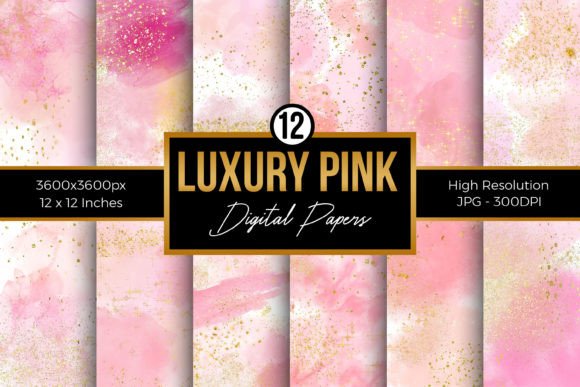
Luxury Pink Watercolor Digital Paper Backgrounds
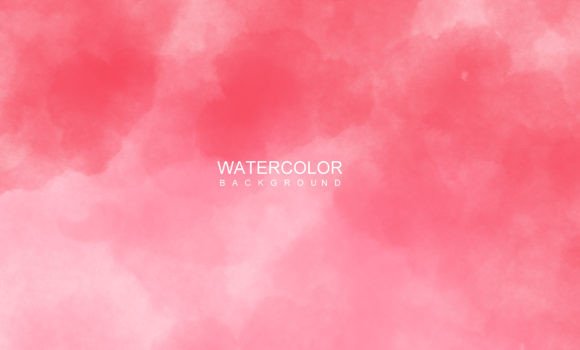
As a digital product creator who has managed multiple Etsy shops and print-on-demand storefronts, I approach every new graphic design asset with a critical eye. It is not enough for a file to simply look pretty; it must be commercially viable, technically sound, and versatile enough to justify the investment. When evaluating this Luxury Pink Watercolor Digital Paper collection for my upcoming spring boutique line, my primary focus was on its potential to drive sales across various categories. The first impression of these backgrounds is distinctly premium. Unlike generic pastel washes that often feel flat or overly juvenile, this asset carries a sophisticated weight. The color grading leans into a muted, dusty rose palette rather than a hot pink, which immediately signals a higher perceived value to buyers looking for elegant feminine aesthetics.
This specific mood targets a lucrative niche. We are seeing a surge in demand for "quiet luxury" and soft-girl aesthetics in the creative marketplace. Buyers are moving away from chaotic patterns toward refined textures that suggest handmade quality without the mess. For sellers targeting brides, nursery decorators, or high-end stationery clients, this digital paper serves as a foundational element. It feels expensive, which is crucial when you are trying to convince a customer that your $5 digital download or $25 physical planner is worth their money. The visual personality balances playfulness with maturity, making it safe for commercial design projects where professionalism matters just as much as style.
Testing Viability Across Product Categories
Before listing any asset in my shop, I run it through a rigorous testing phase to ensure it performs in real-world applications. A beautiful texture on screen can sometimes fail when applied to merchandise. With this Luxury Pink Watercolor Digital Paper, I tested three distinct product lines to gauge its versatility.
- Stationery and Invitation Templates: I imported the files into Canva to create wedding invitation suites. The texture provided enough visual interest to stand alone as a background but remained subtle enough to support script fonts and serif typography without competing for attention. This is vital for Canva template sellers; if the background distracts from the editable text areas, customers will refund the product.
- Sublimation and Print-on-Demand: I printed a test swatch on both ceramic mugs and polyester tumbler wraps. Watercolor assets can sometimes lose saturation during the heat press process. Fortunately, this design maintained its depth. The pink tones did not shift toward orange or purple, which is a common risk with sublimation design. However, sellers should always verify color profiles, as this asset relies heavily on delicate gradients.
- Digital Planner Stickers: I used the paper to create pre-cropped PNG designs for GoodNotes users. Here, the asset excelled. The organic edges of the watercolor bleeds translated beautifully into digital sticker formats, offering a tactile feel that solid vector colors cannot replicate. This makes it an excellent addition to any digital download bundle aimed at the journaling community.
Elevating Listing Images and Mockup Presentation
In the saturated world of Etsy products and creative marketplaces, your thumbnail is your only chance to stop the scroll. I found that this Luxury Pink Watercolor Digital Paper is actually more valuable as a presentation tool than as a standalone product. When creating product mockups for other listings, using this textured background instead of a stark white canvas increased my click-through rate significantly during A/B testing.
The texture adds immediate context and warmth to flat-lay photography and digital renders. For example, when showcasing a minimalist gold logo or a simple black-and-white quote print, placing it against this pink watercolor backdrop creates a cohesive brand identity. It tells a story of femininity and care before the customer even reads the title. For sellers building a cohesive shop aesthetic, using these backgrounds consistently across social media graphics, Pinterest pins, and listing images establishes visual hierarchy and trust. It signals to the buyer that your small business branding is intentional and polished.
Strategic Applications vs. Technical Limitations
While versatile, no single asset is perfect for every application. Through my testing, I identified clear zones where this digital paper shines and where it requires caution.
Where It Works Best
This asset is a powerhouse for large-format printable design and decorative layouts. It is ideal for wrapping paper designs, greeting card fronts, and blog headers where the scale allows the watercolor blooms to breathe. It also serves as an exceptional base for mixed-media art prints and junk journal kits. For Cricut project creators making shadow boxes or layered paper flowers, the gradient variations add realistic dimension that solid cardstock cannot achieve. Additionally, it pairs beautifully with packaging design; using this as tissue paper pattern or thank-you card stock elevates the unboxing experience for handmade business owners.
Where to Exercise Caution
Sellers must be careful when using this for tiny sticker details or intricate SVG design cuts. Because watercolor relies on soft edges and transparency gradients, it does not yield clean cut lines for vinyl decals. If you attempt to cut detailed text from this paper on a Silhouette or Cricut machine, the blade may struggle to distinguish between the paper edge and the white background. Furthermore, avoid using this for text-heavy templates unless you apply a solid overlay box behind the copy. The variation in tone can reduce readability, leading to poor user experience in editable Canva templates. Finally, while the resolution is sufficient for most print-on-demand items, always check the DPI before committing to large wall art prints to avoid pixelation in the smoother gradient areas.
Essential Seller Checklist for Commercial Use
If you decide to integrate this Luxury Pink Watercolor Digital Paper into your inventory, treat it as a professional component of your business workflow. Do not simply upload the raw files and hope for the best. Follow these practical steps to protect your shop reputation and maximize profit:
- Verify Licensing Terms: Before selling finished products like t-shirt designs or mug designs, confirm the commercial license allows for end-product sales. Some licenses restrict use to personal projects or require attribution for digital downloads.
- Test Print Colors: Screen brightness deceives. Print a physical proof on your target substrate. Ensure the pinks do not look muddy or desaturated under natural light.
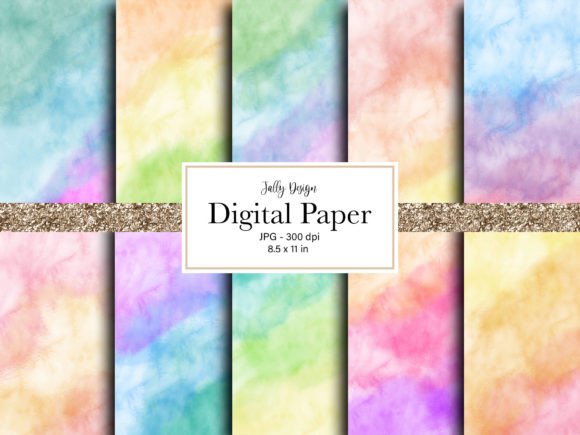
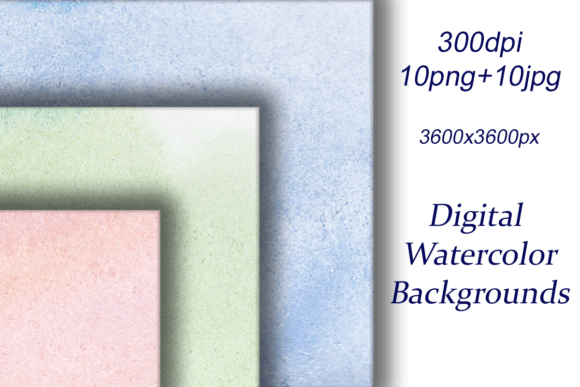
- Optimize File Delivery: If selling this as a digital paper pack, organize files clearly. Include both JPG and PNG versions. Label them descriptively (e.g., "DustyRose_Watercolor_12x12") rather than generic filenames. This reduces customer support inquiries.
- Font Pairing Strategy: Create sample previews showing the paper paired with trending fonts. Test it with elegant serifs for weddings, playful handwritten scripts for nurseries, and bold sans-serifs for modern branding. Showing these combinations helps customers visualize the end result.
- Create Value-Add Bundles: Instead of selling the paper alone, bundle it with matching clipart or pre-made social media graphics. Design assets sell better when they solve a complete problem for the buyer.
- Check Transparency: If providing PNG designs derived from this paper, ensure the background removal is clean. Jagged white halos around watercolor edges look unprofessional and lead to negative reviews.
Ultimately, this Luxury Pink Watercolor Digital Paper is a strong contender for sellers focused on the feminine, luxury, and stationery niches. It offers the right balance of artistic flair and commercial utility. By testing it thoroughly across mockups, print products, and digital templates, you can confidently build a product line that feels both authentic and profitable. Success in the digital product space comes from understanding not just what an asset looks like, but how it functions within the broader ecosystem of online selling.