Watercolor Blooming Flower Background Review
First Impressions: Soft Aesthetics Meet Technical Reality
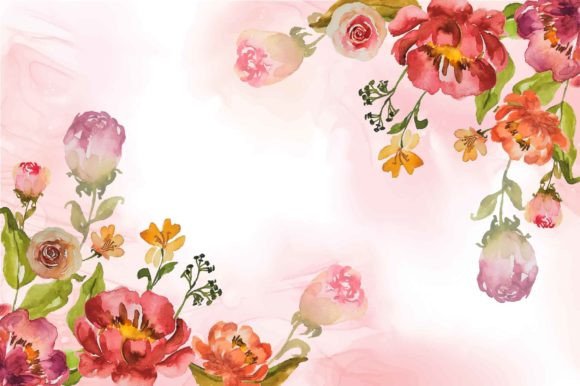
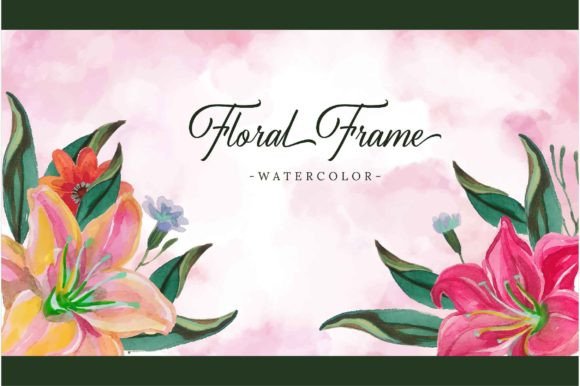
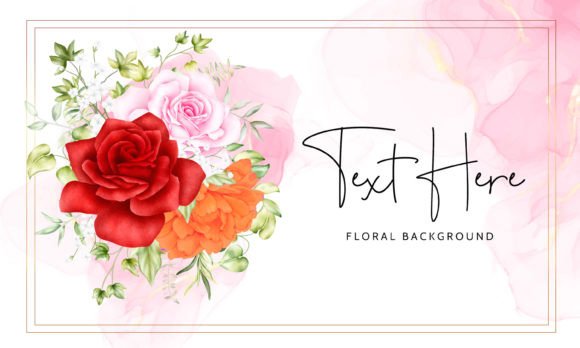
When I first loaded the Watercolor Blooming Flower Background into my embroidery software, I wasn't just looking for a pretty picture; I was evaluating how this digital asset would translate into physical thread. As designers and makers, we know that what looks ethereal on a screen can sometimes become a bulletproof vest of dense stitching on fabric. My immediate impression of this design is that it successfully captures the organic, fluid nature of watercolor art without relying solely on excessive stitch density to create shading. The layout feels balanced, offering enough negative space to let the fabric breathe, which is critical when working with Backgrounds in machine embroidery.
The mood is undeniably romantic and vintage, making it an instant contender for spring collections or bridal accessories. However, from a technical standpoint, I appreciate that the digitizer appears to have used a mix of running stitch and lighter fill stitch techniques rather than heavy satin columns to define the petals. This suggests the design has been optimized for actual wearability, not just visual impact in a thumbnail. For any Etsy seller or craft business owner, this distinction matters because it directly affects production time, thread consumption, and the final hand-feel of the finished product.
Real-World Application: Stitching a Custom Tote Bag
To truly evaluate this machine embroidery design, I tested it in a scenario familiar to many small shop owners: creating a premium canvas tote bag design for a boutique client. Totes are fantastic sellers, but they present specific challenges due to the coarse weave of canvas and the need for the bag to remain flexible. I chose a natural cream canvas to complement the watercolor aesthetic.
During the stitch-out, the Watercolor Blooming Flower Background performed admirably. The registration held up well, even over the textured surface of the canvas. Because the design mimics watercolor washes, slight shifts in stitching actually enhanced the artistic effect rather than ruining it—a forgiving trait for commercial embroidery environments where perfection is the goal but efficiency is the reality. The result was a soft, painterly backdrop that didn't stiffen the entire front panel of the bag. This flexibility is vital; customers want a personalized accessory that feels handmade and high-quality, not a rigid piece of cardboard. If you are planning custom apparel or accessories, this design’s ability to maintain drape while delivering visual complexity is its strongest selling point.
Ideal Projects for Floral Backgrounds
Based on my testing and experience with similar design assets, this file shines in specific categories. It is not a one-size-fits-all solution, but rather a specialized tool for certain markets:
- Baby Embroidery: The soft edges and lack of harsh outlines make this perfect for nursery decor, blankets, and onesies. The lower density prevents irritation against sensitive skin.
- Sweatshirt Embroidery: Placed on the chest or back yoke of a fleece sweatshirt, the blooming flowers add a trendy, cottage-core vibe that is currently dominating social media feeds.
- Holiday Embroidery: While floral, the color palette (depending on your thread selection) can easily transition into Mother’s Day gifts, Easter baskets, or spring wedding favors.
- Printable Mockups: Even before stitching, this design serves as an excellent element for digital previews. Its intricate yet airy details look professional in listing photos, helping drive buyer engagement.
For digital product sellers offering this as part of a bundle, emphasize its versatility across these categories. Buyers are looking for files that solve multiple project needs.
Technical Caution Zones and Fabric Limitations
Despite its strengths, the Watercolor Blooming Flower Background requires careful handling in specific contexts. Watercolor-style embroidery often relies on blending colors through thread layering, which can be problematic if you ignore fabric physics.
Stretchy and Thin Fabrics
Avoid using this design on lightweight knits or performance wear without significant modification or stabilization. The cumulative weight of the background stitches, even if light individually, can cause tunneling or distortion on stretchy fabric. If you must use it on a t-shirt, opt for a cutaway stabilizer and consider reducing the design size to reduce overall tension.
Dark Fabrics and Contrast
Watercolor effects rely on the interplay of light and shadow. On dark fabrics like navy or black, the subtle tonal shifts may disappear unless you specifically adjust thread colors to higher contrast values. Always test on a scrap of the exact dark fabric you intend to use; what reads as a beautiful gradient on white might look muddy on charcoal.
Small Hoop Sizes and Detail Loss
Be wary of resizing this design down significantly. Watercolor fills often contain complex stitch paths to simulate paint bleeds. Shrinking the design below its intended hoop size can cause these details to collapse into a solid mass, losing the artistic intent. Check the minimum recommended dimensions in the embroidery file metadata before committing to small items like caps or baby collars.
Elevating Perceived Value and Brand Consistency
In the saturated market of handmade goods, presentation dictates price. Using a sophisticated background like Watercolor Blooming Flower Background signals to customers that you are curating quality design assets rather than grabbing generic clipart. When a customer sees a personalized gift framed by delicate, artistic florals, they perceive higher value compared to standard block lettering or simple outlines.
For small shop products, consistency builds trust. If you establish this watercolor style as part of your brand identity across tea towels, pillows, and apparel, customers begin to recognize your work instantly. This visual cohesion turns one-time buyers into repeat clients. Furthermore, because this design acts as a background, it pairs beautifully with monograms or custom text, allowing you to offer personalization services without needing to digitize new elements for every order.
Designer Notes: Best Practices Before You Sell
Before listing any item featuring this design or selling the file itself, adhere to these professional protocols to ensure quality and legal compliance:
- Verify Licensing: Confirm whether your purchase includes commercial rights for finished products, digital files, or both. Never assume a digital embroidery file is cleared for resale or mass production without checking the specific terms.
- Test Stitch Density: Run a test sew-out on your primary selling fabric. Feel the back of the embroidery. If it is scratchy or overly stiff, edit the file to remove underlay or reduce fill density before producing inventory.
- Check Thread Compatibility: Watercolor designs often require specific sheen levels. Polyester threads might look too shiny and plastic-like, whereas rayon or cotton threads may better replicate the matte finish of actual watercolor paint.
- Mockup Validation: Create both light and dark fabric mockups to ensure the design translates well digitally. Accurate representation reduces returns and customer complaints.
- Wash Testing: If selling custom apparel or linens, wash and dry your test sample three times. Watercolor fills can sometimes pull or pucker after laundering if the stabilizer wasn't adequate. Ensure your finished product maintains its integrity through regular care.
The Watercolor Blooming Flower Background is a beautiful, evocative asset for the modern embroiderer. By approaching it with technical mindfulness and respecting its artistic nuances, you can transform a simple digital file into a signature element of your creative business. Whether you are crafting a bespoke embroidered patch or building a cohesive Etsy storefront, this design offers the perfect blend of aesthetic charm and practical utility when executed with care.