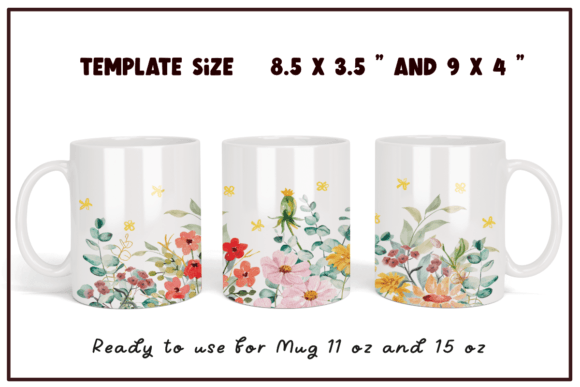
Watercolor Flowers Garden Coffee Mug Design Review
As an embroidery designer who has tested thousands of files for both personal enjoyment and commercial production, I approach every new machine embroidery design with a healthy dose of skepticism. We have all downloaded beautiful digital previews that turn into thread nests or muddy colors once the needle hits the fabric. When evaluating the Watercolor Flowers Garden Coffee Mug design, my primary focus is not just on its aesthetic charm, but on its structural integrity as a stitch file. This review breaks down how this specific artwork translates from screen to hoop, specifically for makers running a craft business or creating meaningful gifts.
First Impressions and Visual Translation
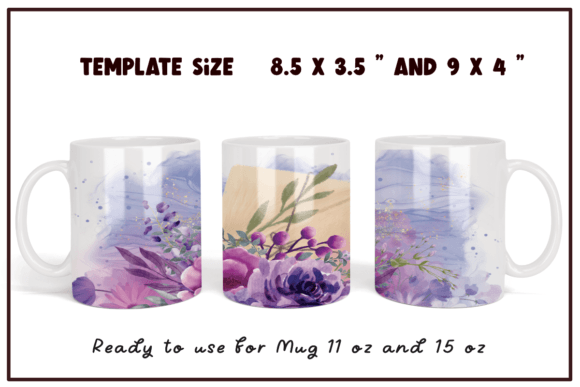
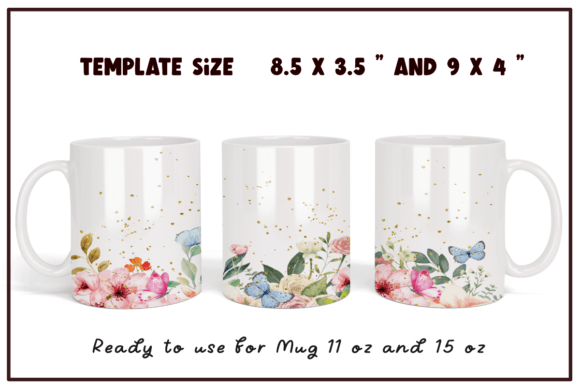
The initial appeal of the Watercolor Flowers Garden Coffee Mug lies in its softness. Unlike rigid vector art, watercolor styles rely on color blending and organic edges. In the world of Crafts, achieving this painterly effect requires sophisticated digitizing. My first impression suggests this design uses a combination of complex fill stitch patterns and varying thread densities to mimic brushstrokes rather than relying solely on heavy satin borders. This is crucial. If the digitizer simply outlined a watercolor painting with thick satin stitches, the result would look like a sticker rather than art. Fortunately, this design appears to respect the medium, using running stitch details and tonal shading to maintain that delicate, hand-painted illusion.
For an Etsy seller or boutique owner, this visual style signals "handmade" and "artisanal." It avoids the mass-produced clip-art look that can devalue custom apparel or home goods. The mood is cozy and nostalgic, making it instantly marketable for cottagecore aesthetics, spring collections, or coffee lover niches.
Real-World Application: Stitching for Retail
To truly judge this embroidery file, I mentally placed it in a real production scenario. Let’s say you are preparing a line of premium tea towels or canvas tote bags for an upcoming craft fair. The Watercolor Flowers Garden Coffee Mug is an ideal candidate here because the theme aligns perfectly with kitchenware and cafe culture. However, the execution matters more than the concept.
When stitching this onto a natural linen tea towel, the design’s success depends on how the thread colors interact with the unbleached fabric base. Watercolor designs often assume a white background. If you stitch this directly onto beige linen without adjusting, the lighter pastel shades may disappear or look dingy. In my experience testing similar floral mug motifs, adding a subtle white underlay or choosing slightly saturated thread variants helps the flowers pop against textured backgrounds. For a tote bag design, the central placement works beautifully, but you must ensure the hoop size allows for adequate margin so the design doesn't distort near the bag's seams.
For sweatshirt embroidery, this design offers a softer alternative to bold collegiate lettering. Placed on the chest or sleeve of a cream-colored fleece, it creates a high-perceived-value finished product. Customers associate intricate floral work with higher price points, provided the registration holds up. If the petals shift during stitching due to poor compensation in the file, that value evaporates instantly. Always verify that the design includes proper pull compensation for stretchy knits before committing to a full production run.
Navigating Fabric Limitations and Hoop Constraints
While versatile, the Watercolor Flowers Garden Coffee Mug requires careful consideration regarding substrate choice. Not all fabrics are friends with watercolor-style digitizing.
- Textured Fabrics: On terry cloth or plush towels, the fine details of watercolor shading can get lost. You may need to use a water-soluble topping to keep the stitches visible and crisp.
- Stretchy Knits: As mentioned with sweatshirts, lightweight jersey is risky. The density required to create color gradients can cause puckering. A sturdy cut-away stabilizer is non-negotiable here.
- Dark Fabrics: Unless the design includes a specific light-colored background block or outline, avoid black or navy bases. The translucent nature of watercolor simulation relies on contrast.
- Small Hoop Sizes: Be wary of resizing this design down significantly. Watercolor effects utilize tiny stitch variations; shrinking the file below 70% of its original size can cause thread breaks and loss of definition.
If you are creating an embroidered patch, ensure the border treatment is robust enough to withstand cutting and merrowing. Some watercolor designs have soft, fading edges that do not translate well to standalone patches unless a solid boundary is added during editing.
Commercial Viability and Customer Perception
For those selling digital embroidery files or finished goods, professionalism is paramount. The Watercolor Flowers Garden Coffee Mug succeeds commercially because it bridges the gap between trendy and timeless. It is specific enough to target coffee enthusiasts but generic enough to sell year-round. However, trust is built through consistency. If you use this design across multiple products—mugs, aprons, and pillows—the stitch quality must remain uniform.
When listing items online, your printable mockup should accurately reflect the stitched texture. Do not use the digital art file as your main listing photo if possible; customers want to see actual thread sheen and dimensionality. This transparency reduces returns and builds brand loyalty. Furthermore, always double-check the licensing terms associated with this design asset. Confirm whether you are permitted to sell the physical embroidered items, the digital file itself, or both. Nothing damages a small shop product line faster than accidental copyright infringement.
Essential Pre-Stitch Checklist for Makers
Before you load this design for a client order or inventory batch, run through this practical validation process. These steps save time, thread, and reputation.
- Test on Scrap Material: Never stitch a new design directly on a final product. Use a scrap of the exact fabric and stabilizer combo you intend to use.
- Verify Thread Chart Accuracy: Watercolor designs often require many color changes. Ensure your machine’s thread chart matches the designer’s intended palette, or be prepared to manually map colors to achieve the correct gradient.
- Check Density Settings: Open the file in your software to inspect density. If areas exceed 0.4mm spacing on lightweight fabric, consider reducing density to prevent stiffness.
- Assess Small Details: Look at the finest lines in the mug handle or flower stems. If they are single running stitches, they may break on textured fabric. Consider widening them slightly in your editing software if necessary.
- Wash Test: If this is for a baby embroidery project or kitchen item, wash and dry the test swatch. Watercolor fills can sometimes pull away from the fabric after laundering if not secured properly.
- Mockup Validation: Create a black-and-white version of your product photo to check contrast. If the design looks flat in grayscale, it may lack sufficient tonal variation for certain lighting conditions in photography.
Final Thoughts on Design Integrity
The Watercolor Flowers Garden Coffee Mug represents a delightful intersection of artistic expression and technical embroidery capability. It is more than just a pretty picture; it is a functional asset for the serious maker. Whether you are embellishing a personalized gift for a friend’s birthday or stocking your Etsy shop with seasonal holiday embroidery items, this design offers substantial creative potential.
Success with this file comes down to respecting its nuances. Treat it as a painting made of thread, not just a graphic. Pay attention to your stabilizer choices, honor the color gradients, and test rigorously on your chosen substrates. By approaching this embroidery project with a professional mindset, you ensure that the final result honors both the original artwork and your own craftsmanship. In the competitive landscape of handmade goods, that level of intentionality is exactly what separates hobbyist output from professional-grade merchandise.