Soft Multicolor Watercolor Background Review
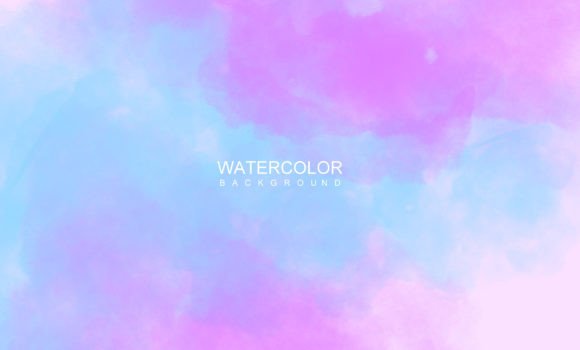
As an embroidery designer who has digitized and stitched out countless backgrounds, I approach the Soft Multicolor Watercolor Background with a specific set of criteria. It is not enough for a digital file to look beautiful on a screen; it must translate into thread without puckering, distorting, or overwhelming the final product. When evaluating this particular machine embroidery design, my first impression is one of organic fluidity. Unlike rigid geometric patterns, this design mimics the unpredictable bleed of watercolor paint, creating a mood that is both whimsical and sophisticated. For makers and Etsy sellers, this aesthetic is currently in high demand, bridging the gap between nursery softness and modern boutique apparel.
The visual personality of this background feels airy yet substantial. In the world of Backgrounds, achieving a "soft" look requires careful digitizing to avoid heavy stitch density that can ruin drape. This design appears to utilize a blend of fill stitch and running stitch techniques to create depth without excessive bulk. The multicolor aspect suggests a gradient or variegated effect that adds dimension, preventing the background from looking flat or manufactured. For a creative entrepreneur, this means the design does the heavy lifting visually, allowing you to charge a premium for finished goods that look professionally printed rather than home-stitched.
Real-World Application: The Custom Sweatshirt Test
To truly judge the viability of the Soft Multicolor Watercolor Background, I mentally placed it in a real-life production scenario: creating a custom embroidered sweatshirt for a small shop product launch. Sweatshirts are a staple for craft business owners, but they present unique challenges due to their stretch and fleece backing. A dense background can make the garment stiff and unwearable, while a design that is too sparse might get lost in the fabric texture.
In this scenario, I envision using this background as a backdrop for personalized text or a simple line-art motif. The watercolor effect provides a vibrant canvas that elevates a basic monogram into a statement piece. From a customer reaction standpoint, this style photographs exceptionally well for printable mockups and social media listings. The soft edges and blended thread colors catch natural light beautifully, increasing buyer engagement. However, practical judgment dictates that I would pair this with a lightweight cutaway stabilizer to maintain the garment's drape. If the stitch density is optimized correctly, the result is a handmade product that feels luxurious against the skin, justifying a higher price point for commercial embroidery projects.
Versatility Across Product Categories
Beyond apparel, this embroidery file shows promise for various niches. For baby embroidery, the soft aesthetic is perfect for onesies and blankets, provided the backside is smooth or covered to prevent irritation. In the realm of home decor, it serves as an elegant foundation for pillow covers and tea towels, where the multicolor threads can tie together a room’s color palette. For holiday embroidery, this background offers a non-traditional alternative to standard red and green motifs, appealing to customers seeking modern seasonal gifts.
For those selling digital embroidery files or design assets, this background acts as a versatile layering tool. It allows other designers to drop in their own applique designs or satin stitch lettering without having to digitize a complex underlay themselves. This interoperability makes it a valuable asset for collaborative craft business ventures or for sellers offering bundle packs.
Critical Considerations for Fabric and Hoop Size
While the Soft Multicolor Watercolor Background is versatile, it demands respect for material limitations. As a reviewer, I must highlight where caution is necessary. On thin fabrics like voile or lightweight linen, the multicolor transitions could cause tension issues if the stitch count is high. Always test on scrap fabric first. Similarly, on dark fabrics, ensure the thread colors have sufficient contrast; otherwise, the watercolor effect will muddy and lose its definition.
Hoop size is another critical factor. Watercolor effects often rely on long stitches and open areas to mimic paint strokes. Scaling this design down to a tiny hoop size may compress these artistic elements, turning a fluid wash of color into a dense, unrecognizable blob. Conversely, stretching it too large without verifying stitch integrity can lead to gaps or registration errors. For curved surfaces like caps, this background may be difficult to center effectively unless specifically digitized for hat hoops. Detailed corners and tiny lettering overlaid on this background require extra stabilization to prevent the fabric from shifting during the color changes.
- Fabric Texture: Smooth fabrics showcase the watercolor blend best; highly textured fabrics may obscure fine details.
- Stabilizer Choice: Use cutaway for stretchy knits and tear-away only for stable wovens to support color transitions.
- Thread Colors: Verify if the design uses specific variegated threads or standard solid colors to achieve the effect.
- Washability: Ensure the stitch type can withstand frequent washing, especially for tote bag designs and baby items.
Enhancing Brand Value and Customer Trust
Using high-quality backgrounds like the Soft Multicolor Watercolor Background directly impacts perceived value. In a saturated market, customers can distinguish between a rushed project and a thoughtfully executed piece. A background that lays flat, has clean transitions, and complements the base fabric signals professionalism. For Etsy sellers, this translates to better reviews and repeat business. When your embroidered patch or custom apparel looks cohesive, it builds brand consistency. Buyers trust shops that demonstrate attention to detail, and a well-chosen background is often the subtle differentiator that secures a sale over a competitor.
Designer Notes for Successful Execution
Before loading this embroidery project into your machine, take these practical steps to ensure success. First, review the stitch density map in your software. If the design exceeds 0.4mm density in large areas, consider reducing it slightly for apparel to preserve softness. Second, run a black and white mockup test. This strips away the distraction of color and reveals whether the underlying structure supports the intended overlay. Third, confirm licensing. Just because you purchased the digital embroidery file does not automatically grant rights to sell the design itself or use it in unlimited commercial capacities. Always verify terms before listing finished products.
Finally, consider the end user. If this is for a personalized gift, ask about care preferences. Watercolor-style embroidery can sometimes be more delicate than standard satins. Providing care instructions adds a layer of service that enhances the giftability of the item. Whether you are creating a boutique product line or a single cherished keepsake, treating the Soft Multicolor Watercolor Background with technical mindfulness ensures the artistic vision survives the transition from screen to stitch.
Ultimately, this design represents a strong contender for makers looking to add artistic flair to their repertoire. It balances trendiness with timelessness, making it a smart investment for both hobbyists and professionals. By understanding its behavior on different substrates and respecting its structural needs, you can transform this digital asset into tangible, profitable, and beautiful embroidery work.