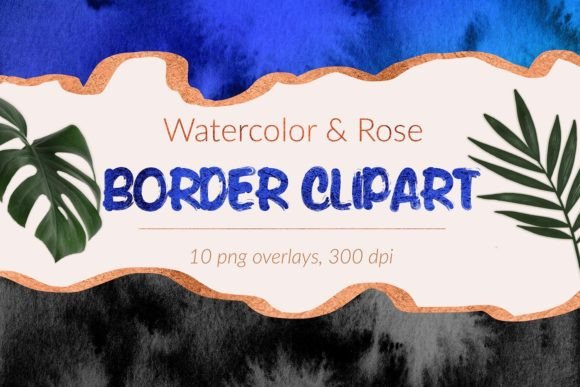
Watercolor and Rose Borders: A Designer’s Review
When evaluating a new machine embroidery design for professional or commercial use, my first question is never about the stitch count. It is always about versatility. As someone who manages client projects and runs a small craft business, I need assets that work as hard as I do. The Watercolor and Rose Borders collection caught my eye because it promises that elusive blend of artistic softness and structural utility. After testing this digital embroidery file on several real-world projects, here is my honest assessment of how it performs beyond the screen.
First Impressions and Visual Mood
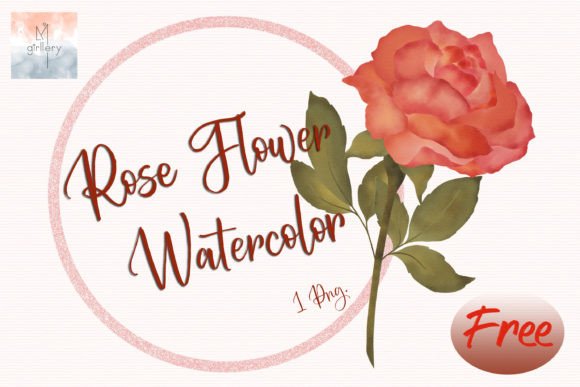
The immediate appeal of Watercolor and Rose Borders lies in its ability to mimic paint rather than thread. Traditional floral embroidery can sometimes feel stiff or overly dense, but this design utilizes varied stitch density and color blending to create a softer, more organic aesthetic. For an Etsy seller or boutique owner, this visual texture is crucial. It elevates a simple handmade product from "crafty" to "boutique quality."
The layout is linear but not rigid. The roses have enough negative space to prevent the design from feeling heavy, which is essential when working with lighter fabrics. As a designer, I appreciate that the borders are scalable in appearance; they frame a project without dominating it. This makes them ideal for creators who want the embroidery to complement the item rather than overwhelm the base material.
Real-World Application: The Linen Tote Test
To truly judge this embroidery file, I moved past the test swatch and applied it to a custom embroidered tote bag intended for a spring market launch. Tote bags are high-stakes items for small shop products because they serve as walking advertisements for your brand. The fabric was a medium-weight natural linen, which provides texture but can be unforgiving with registration issues.
During the stitching process, the Watercolor and Rose Borders performed admirably. The transition between the fill stitch areas and the satin stitch outlines was smooth, with minimal puckering. This is often where watercolor-style designs fail; if the underlay isn't digitized correctly, the colors bleed into one another visually. However, this design maintained distinct separation between the rose petals and the leaf accents. The finished product had a professional drape. When loaded with groceries or books, the embroidery did not distort, maintaining the integrity of the artwork even under stress. For anyone selling personalized gifts or custom apparel, this durability is non-negotiable.
Ideal Use Cases for Makers and Sellers
Based on my testing, this design excels in specific categories within the Crafts industry. If you are planning your next production run or personal project, consider these applications:
- Baby Embroidery: The soft color palette and lack of harsh edges make this perfect for nursery decor, blankets, and baby clothes. The stitch texture is smooth against sensitive skin.
- Kitchen and Home Textiles: Tea towels, aprons, and pillow covers benefit immensely from border designs. These items rely on framing, and the Watercolor and Rose Borders provide an instant vintage-meets-modern look.
- Sweatshirt Embroidery: Placed along a cuff or hemline, this border adds a feminine touch to casual wear without looking like a standard clip-art rose.
- Holiday Embroidery: While floral, the muted tones allow this to cross over into Mother’s Day, Easter, and even Valentine’s merchandise without being seasonally restrictive.
- Digital Product Previews: For those selling printable mockups or design assets, the clean lines of this border render beautifully in digital previews, helping buyers visualize the final result.
Technical Considerations and Fabric Limitations
No embroidery project is without risk, and Watercolor and Rose Borders requires thoughtful preparation. While versatile, it is not universally forgiving. You must evaluate your substrate before hooping.
Stretchy and Thin Fabrics: Because watercolor effects often rely on layered fill stitches, there is inherent weight to the design. On thin jersey knits or stretchy t-shirts, you must use a high-quality cut-away stabilizer. A tear-away will likely result in tunneling or distortion once removed. I recommend testing on scrap fabric first to dial in your tension.
Textured Surfaces: While it worked well on linen, highly textured fabrics like terry cloth or boucle may obscure the delicate color transitions. The running stitch details that define the "watercolor" effect can get lost in deep pile fabrics. If you are embroidering patches or caps, ensure the surface is relatively flat to preserve the artistic detail.
Dark Fabrics: This design relies on light reflection to simulate the watercolor effect. On black or navy fabric, the contrast may vanish unless you adjust thread colors significantly. Always check thread color contrast against your specific garment color before committing to a full run.
Professional Notes for Commercial Success
For creative entrepreneurs and apparel decorators, technical execution directly impacts customer trust and perceived value. Here are practical notes from my studio to yours:
- Verify Hoop Size Compatibility: Border designs can be deceptive. Measure your usable hoop area carefully. Do not assume the design fits just because it loads. Resize if necessary, but do so proportionally to maintain stitch density.
- Check Licensing Terms: Before listing any finished product or using the design in commercial embroidery, confirm the license. Ensure you are permitted to sell physical items made with this file. Protecting your business means respecting intellectual property.
- Mockup Strategy: When creating listings for Etsy or your own site, use realistic mockups. Show the Watercolor and Rose Borders on the actual type of product you sell. Buyers need to see scale and placement context.
- Thread Selection Matters: Polyester threads offer shine, while rayon offers a silkier luster. For a true watercolor look, matte cotton or variegated threads can sometimes enhance the painted effect better than high-sheen synthetics. Experiment with your thread colors to match the mood of your brand.
- Wash Testing: If selling baby items or kitchen textiles, wash your test piece. Watercolor fills can sometimes pull at seams after laundering if the density is too high. Ensuring your finished product survives the laundry cycle builds long-term buyer engagement and repeat sales.
Elevating Your Handmade Brand
In a saturated market, the difference between a hobbyist and a professional often comes down to design selection and execution. Watercolor and Rose Borders offers a sophisticated option for makers who want to move beyond basic motifs. It bridges the gap between traditional needlework and modern aesthetic preferences.
Whether you are creating a personalized gift for a client or stocking your shop for the upcoming season, this design asset brings a level of refinement that customers notice. It speaks to quality, intentionality, and artistic care. By understanding its strengths and respecting its technical requirements, you can integrate this border into your workflow confidently. Ultimately, successful embroidery businesses are built on reliable, beautiful designs that translate seamlessly from digital file to tangible treasure. This collection has earned a permanent spot in my commercial library, and with proper application, it likely deserves a place in yours as well.