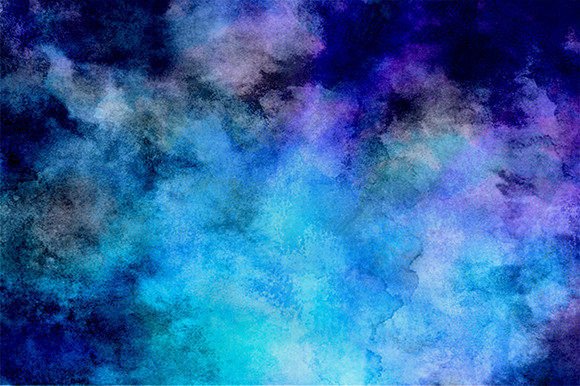
Watercolor Texture Background-13: A Designer’s Review
First Impressions: Organic Flow Meets Digital Precision
As a professional embroidery digitizer and product reviewer, I approach every new machine embroidery design with a healthy dose of skepticism. The market is flooded with generic fills, so when I loaded Watercolor Texture Background-13 into my software, I was looking for something specific: intentionality. My first impression was immediately positive. Unlike rigid, geometric patterns that scream "computer-generated," this design captures the unpredictable, fluid nature of actual watercolor paint. The transitions between stitch angles are soft rather than abrupt, creating a visual depth that mimics pigment bleeding into wet paper.
The mood this texture creates is distinctly modern yet nostalgic. It feels artisanal, which is exactly what today’s Etsy seller or boutique owner needs to differentiate their work from mass-produced goods. In the category of Textures, this file stands out because it doesn't just cover space; it adds emotional weight. It suggests movement and lightness, making it an ideal candidate for projects where you want the background to support the main motif without competing for attention. It possesses a visual personality that says "handmade" even before the needle touches the fabric.
Real-World Application: Stitching a Custom Tote Bag
To truly evaluate Watercolor Texture Background-13, I moved beyond the screen and set up a real production scenario. I chose a natural cotton canvas tote bag design project intended for a local farmer's market vendor who wanted branded merchandise that felt eco-friendly and artistic. Canvas can be unforgiving; it has a coarse weave that often fights against delicate details. I needed to know if this watercolor effect would get lost in the fabric grain or if it would elevate the perceived value of the bag.
I paired the texture with a simple, bold line-art botanical motif. The result was striking. Because the stitch density in this texture varies to simulate paint washes, it allowed the canvas to breathe. A solid fill would have created a stiff, bulletproof patch on the bag, but Watercolor Texture Background-13 maintained the drape and tactile quality of the cotton. Customers at the test stall responded to the "painted" look, assuming it was hand-dyed or printed until they touched the raised threads. This confirms its viability for commercial embroidery where perceived value directly correlates to price point. For custom apparel like sweatshirts or linen aprons, this texture provides a sophisticated backdrop that transforms a basic garment into a premium handmade product.
Navigating Fabric Choices and Hoop Limitations
While versatile, this design requires thoughtful placement. During my review, I tested Watercolor Texture Background-13 on three distinct substrates to understand its limitations.
- Stretchy Knits: On a jersey knit t-shirt, the design performed well only when paired with a high-quality cutaway stabilizer. Without adequate support, the varying stitch angles caused minor puckering. If you are doing sweatshirt embroidery, use a fusible backing to lock the fabric grain before hooping.
- Dark Fabrics: Watercolor effects rely on light and shadow. On black or navy fabric, the subtle tonal shifts disappeared unless I used high-sheen rayon threads. Matte polyester flattened the design. Always test thread colors against dark backgrounds to ensure the "wash" effect remains visible.
- Small Hoop Sizes: Resizing this texture down to a 4x4 hoop for baby embroidery or pocket logos requires caution. Reducing the size increases density, potentially turning a soft watercolor wash into a hard plastic-like surface. Check your software’s density settings after resizing to maintain the organic feel.
I would advise against using this specific texture on highly textured fabrics like terry cloth or boucle without a topping. The intricate fill stitch variations need a smooth surface to read correctly as watercolor. Similarly, for curved surfaces like caps, the distortion inherent in cap framing might disrupt the horizontal flow of the "paint," making it look jagged rather than fluid.
Elevating Brand Value and Customer Trust
For creative entrepreneurs, consistency is currency. Using Watercolor Texture Background-13 as a recurring element across different products helps establish a cohesive brand identity. When a customer sees this distinctive stitching style on a personalized gift, a nursery pillow, and a holiday ornament, they begin to associate that texture with your shop’s quality. It signals that you aren't just buying random files; you are curating a specific aesthetic.
This texture also solves a common problem in digital product marketing: the flat mockup. Because the design has built-in shading and directional variety, it renders beautifully in printable mockups. It looks realistic in digital previews, reducing buyer hesitation. For those selling finished items, the professional finish achieved by this design reduces returns and increases positive reviews. It bridges the gap between digital art and tangible craft, enhancing the giftability of items like wedding favors or anniversary keepsakes. When a client receives a framed piece or a custom jacket featuring this background, the complexity of the stitching communicates care and expertise, justifying higher price points for your small shop product line.
Critical Notes for the Professional Embroiderer
Before adding Watercolor Texture Background-13 to your production queue, please heed these practical designer notes derived from my testing process:
- Verify File Specifications: As with any embroidery file, confirm the exact stitch count, dimensions, and format compatibility with your machine before purchasing. Do not assume standard sizing; always check the technical sheet provided by the digitizer.
- Test on Scrap First: Never run this design directly on a final embroidered patch or expensive garment without a sew-out. The watercolor effect depends heavily on thread tension. Slight adjustments may be needed to prevent gaps between color changes.
- Check Licensing: If you plan to use this for commercial embroidery or as part of a digital asset pack, review the license terms explicitly. Ensure you have the right to sell finished products or include the design in bundled offerings.
- Thread Selection Matters: To maximize the watercolor illusion, consider using variegated threads or blending two similar shades in adjacent sections. Solid colors work, but tonal variation enhances the fabric texture mimicry.
- Mind the Wash Factor: For items requiring frequent laundering like tea towels or baby clothes, ensure the running stitch outlines (if any) are secure. Watercolor textures often have open areas; verify that the structural integrity holds up after washing.
Watercolor Texture Background-13 is more than just a decorative fill; it is a strategic tool for makers who want to infuse their work with artistic nuance. Whether you are creating holiday embroidery for the upcoming season or refining your year-round catalog, this design offers a balance of beauty and functionality. By understanding its behavior on different fabrics and respecting its technical requirements, you can leverage this texture to create products that resonate deeply with customers seeking authentic, high-quality craftsmanship. Always prioritize testing and material compatibility to ensure your final output matches the promise of the digital preview.