Watercolor Texture Background-30: A Designer's Review
As an embroidery designer who has stitched out thousands of files for both client work and my own shop inventory, I approach every new machine embroidery design with a healthy dose of skepticism. We have all downloaded files that looked beautiful on screen but turned into thread nests or stiff cardboard on fabric. When evaluating Watercolor Texture Background-30, my primary concern was not just its aesthetic appeal, but its structural integrity in real-world applications. This review breaks down how this specific texture performs when moved from the digital workspace to the hoop, specifically focusing on its viability for commercial products and personalized gifts.
First Impressions and Visual Mood
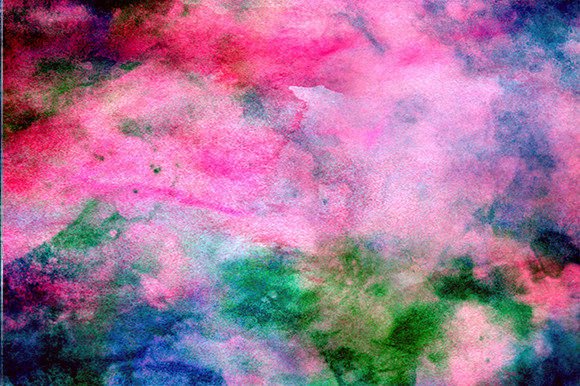
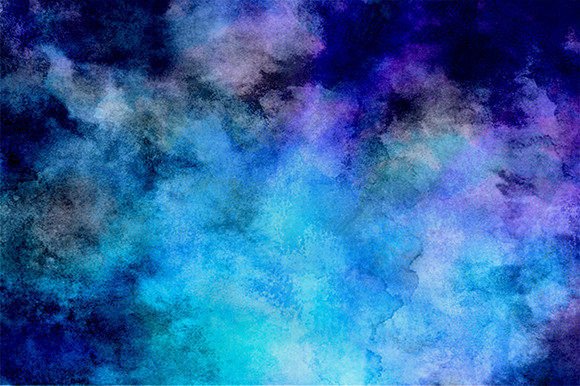
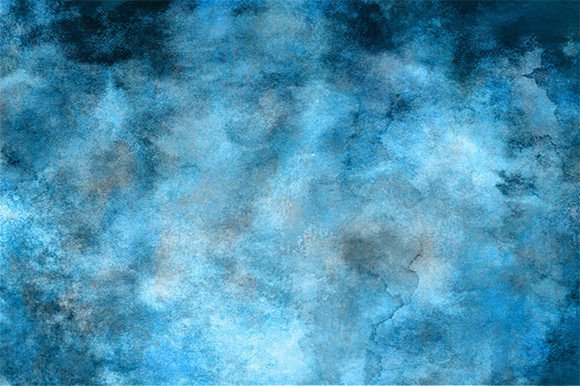
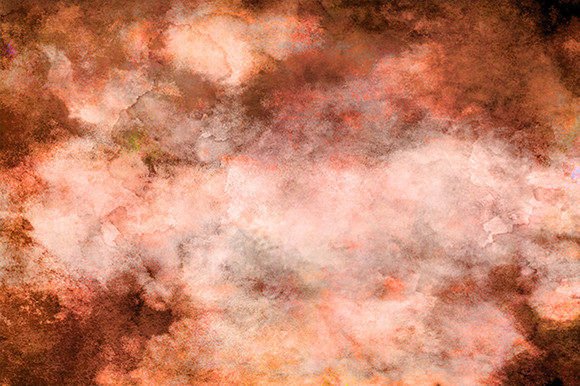
Upon opening the embroidery file, the immediate impression of Watercolor Texture Background-30 is one of organic softness. Unlike geometric patterns or rigid cross-stitch styles, this design mimics the unpredictable flow of wet-on-wet painting. For a designer, this presents a unique challenge: translating fluid art into discrete stitches without losing the ethereal quality. The layout feels balanced rather than symmetrical, which is crucial for background elements. Symmetry can sometimes look manufactured, but this texture retains a natural variance that makes it suitable for high-end handmade product lines where perfection should feel human, not robotic.
The visual personality here is versatile. It does not scream for attention, which is exactly what a good background should do. It supports foreground elements like monograms, floral motifs, or brand logos without competing with them. In my initial assessment, the color blending relies heavily on thread sheen and layering rather than excessive density, suggesting it will drape better than traditional heavy fill areas.
Real-World Application: The Custom Tote Bag Test
To truly judge this asset, I mentally applied it to a current project: a line of canvas tote bags for a local boutique. Canvas is unforgiving; it shows every needle penetration and demands stability. I envisioned using Watercolor Texture Background-30 as a subtle wash behind a bold, serif-font business name.
In this scenario, the texture serves as a value-add. A plain embroidered name is standard, but placing it over a watercolor wash elevates the perceived value of the tote bag design. Customers browsing Etsy or craft fairs often make split-second decisions based on visual depth. This texture provides that depth. However, practical judgment dictates caution. Because tote bags are functional items subject to friction, I would ensure the outer edges of the texture fade softly into the fabric rather than ending in a harsh satin border. Hard edges on backgrounds create wear points. Fortunately, the nature of this watercolor style lends itself to soft transitions, making it safer for high-use items than solid blocks of color.
Fabric Compatibility and Stabilizer Strategy
Not all textiles play nicely with textured fills. Based on the stitch architecture typical of watercolor styles, here is how Watercolor Texture Background-30 interacts with different substrates:
- Cotton and Linen: These are the ideal hosts. The natural weave of linen complements the painterly effect of the stitches. Use a medium-weight cutaway stabilizer to prevent puckering, as the varying stitch lengths can pull unevenly on loose weaves.
- Stretchy Knits and Sweatshirts: Proceed with caution. While this texture could look stunning on sweatshirt embroidery, the movement of the knit fabric fights against the static nature of the stitches. You must use a fusible no-show mesh stabilizer and potentially a temporary spray adhesive to lock the fabric grain before hooping. Test the stretch recovery afterward; if the texture cracks when the garment moves, the density is too high for that specific knit.
- Sheer and Lightweight Fabrics: Avoid using this as a full-field background on organza or voile unless you intend for the texture to be the structural element itself. The stitch count required to create the watercolor illusion may overwhelm delicate fibers, leading to tearing during removal from the hoop.
- Dark Fabrics: Watercolor effects rely on light passing through thread layers. On black or navy fabric, the subtlety vanishes. If using this on dark garments, plan to add a white underlay base, but understand this significantly increases stitch count and stiffness.
Technical Considerations for Commercial Sellers
For fellow Etsy seller entrepreneurs and small shop owners, technical specs translate directly to profit margins and customer satisfaction. Before listing a finished product featuring Watercolor Texture Background-30, consider these production realities:
Density and Washability
Check the stitch density settings in your editing software. Watercolor textures often use long running stitches and variable spacing to simulate brush strokes. While this keeps the design soft, long floats can snag in washing machines. If you are selling baby embroidery items or kitchen linens that require frequent laundering, verify that the maximum jump stitch length is manageable. You may need to add manual tie-offs or trims in post-digitizing to secure long spans. Customer trust evaporates quickly when a personalized gift unravels after one wash cycle.
Hoop Size and Placement
Confirm your hoop size compatibility before committing to a production run. Textures are notoriously difficult to resize. Scaling a watercolor background down by 50% often results in muddy, overlapping stitches that lose definition. Scaling up can leave gaping holes between stitch rows. Treat the native size of Watercolor Texture Background-30 as its optimal range. If you need a significantly different size, look for a version digitized specifically for that dimension rather than forcing a resize.
Thread Color Contrast
This design likely utilizes multiple shades to create gradient effects. When selecting thread colors, avoid high-contrast variegated threads unless the digitizer specifically intended that effect. Variegated thread can create accidental banding or barber-pole stripes that ruin the watercolor illusion. Solid colors with slight tonal variations usually yield the most professional, artistic result. Always test your thread palette on scrap fabric first; screen colors rarely match rayon or polyester sheen perfectly.
Enhancing Brand Value and Presentation
Beyond the physical stitching, Watercolor Texture Background-30 plays a significant role in digital marketing. For those selling digital embroidery file assets or finished goods, presentation is everything. This texture works exceptionally well in printable mockup creation. Its organic nature helps digital renders look less sterile and more tactile.
When photographing finished items for social media or shop listings, the texture adds a layer of professionalism that flat fills cannot achieve. It signals to the buyer that thought went into the design composition. For commercial embroidery businesses doing corporate branding, this texture offers a way to soften rigid logos, making promotional merchandise feel more like fashion and less like advertising. It bridges the gap between industrial uniformity and artisanal warmth.
Final Designer Verdict
Watercolor Texture Background-30 is a strong contender for makers who want to add artistic flair to their repertoire without sacrificing production efficiency. It excels in applications where mood and atmosphere matter as much as legibility. However, it requires a disciplined approach to stabilization and fabric selection. It is not a "set it and forget it" utility file; it is a creative tool that rewards preparation.
Before selling any item featuring this design, I strongly advise stitching a sample on your intended end-product fabric. Inspect the back for excessive bobbin thread buildup and test the drape. Verify licensing terms if you plan to sell the digital file itself versus the embroidered end product. When executed correctly, this texture transforms standard embroidery into wearable art, justifying higher price points and fostering deeper customer connection. It is a valuable addition to the library of any serious embroidery professional willing to respect the nuances of textile art.